
Working from Your California Home? Your Gear Needs Protecting.
Imagine this: you’re a freelance graphic designer living in a cool apartment in Long Beach. Or maybe you’re a software developer in the Inland Empire, working remotely for a tech company in Silicon Valley. Your home office isn’t just a spare bedroom; it’s your command center. It’s where your high-powered computer, those extra monitors, your ergonomic desk, maybe even a fancy 3D printer or a professional camera setup lives.
Now, picture a sudden pipe burst in the unit above you. Or, worse, a fire — something we Californians sadly know all too well, whether it’s a kitchen mishap or, heaven forbid, a wildfire like those that threaten areas from Ventura County to the Sierra foothills. What happens to all that expensive equipment? The stuff you rely on to make a living?
Many renters assume their personal property is covered by *something*. Maybe the landlord’s insurance? Not a chance. That policy protects the building itself, not your personal belongings. Your stuff? That’s on you. And if you’re working from home, especially with specialized equipment, your standard renters insurance might not cut it either. That’s a common misconception, and it’s one that can lead to some serious financial headaches.
Renters Insurance: Your Home Base Protection
Let’s be clear: renters insurance is a must-have for anyone renting a place in California. It’s surprisingly affordable, often less than your monthly streaming subscriptions. It does a few important things for you.
First, it protects your personal property from specific “perils” listed in your policy. Think fire, theft, vandalism, certain types of water damage (like that pipe burst we talked about). If your laptop, clothes, furniture, or kitchen gadgets are damaged or stolen due to one of these events, your policy helps you replace them.
Here’s where it gets interesting. Most policies offer two ways to value your stuff: Actual Cash Value (ACV) or Replacement Cost Value (RCV). ACV pays out what your item was worth *at the time of the loss*, factoring in depreciation. Your five-year-old laptop might not be worth much on the open market. RCV, on the other hand, pays out what it would cost to buy a brand-new version of that item. Big difference. You definitely want RCV for your electronics, especially your work gear. It’s usually a small bump in premium for a lot more peace of mind.
That’s not the whole story. Renters insurance also provides liability coverage. This protects you if someone gets hurt in your home and you’re found responsible. Maybe a client visits your home office for a meeting, trips over your rug, and breaks an arm. Your policy could help cover their medical bills and legal fees. This coverage can be a lifesaver, especially if you have business visitors.
When Your Living Room Becomes Your Office: The Business Property Challenge
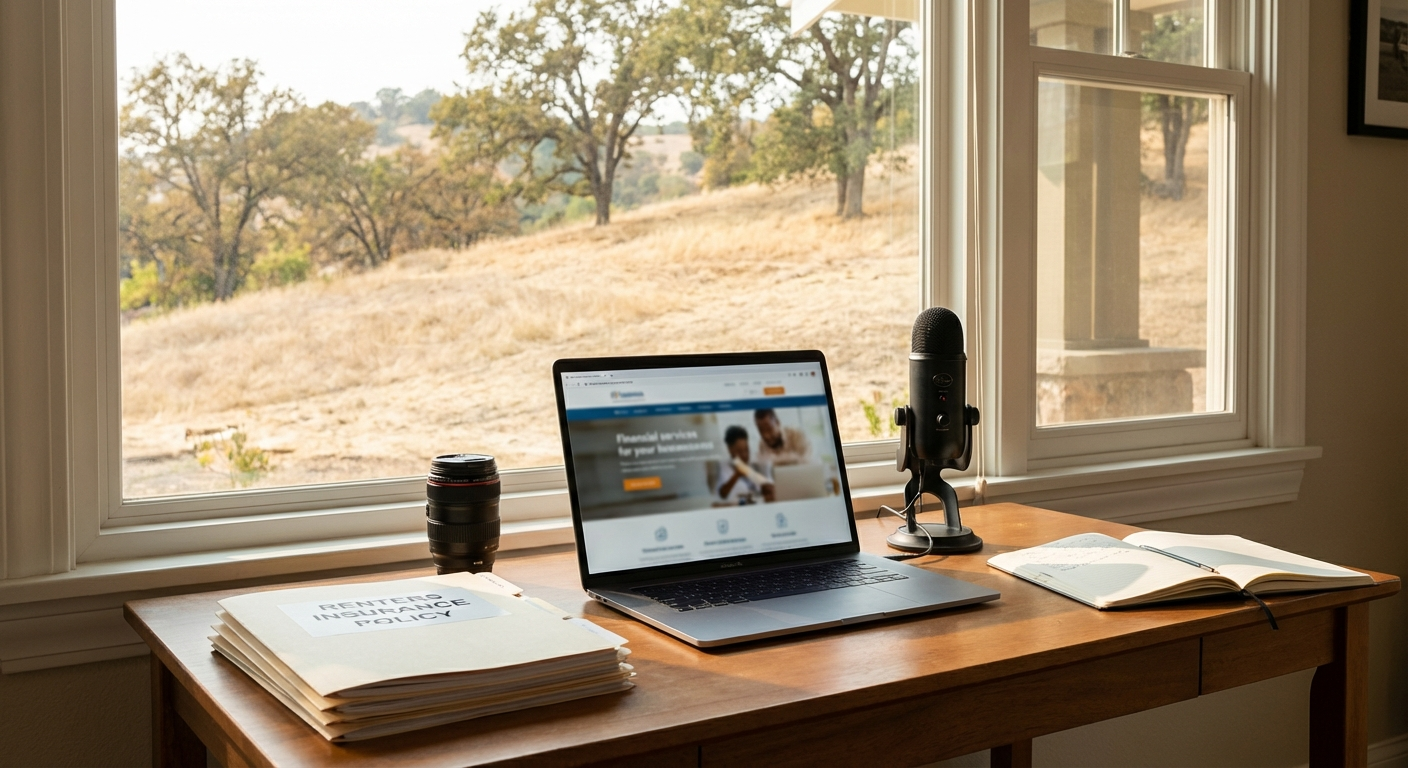
So, you’ve got renters insurance. Good for you! But here’s the thing: most standard renters policies have specific, often low, limits for “business property.” This is equipment you own and use primarily for a business, even if that business is just *you* freelancing from your spare bedroom.
A common limit for business property away from your home is around $1,000. At home, it might be a bit higher, perhaps $2,500. Think about that for a second. Your MacBook Pro alone could easily blow past that. Add a couple of high-resolution monitors, a professional printer, a specialized camera, or software licenses – you’re way over that limit before you even count your standing desk.
This isn’t just about *what* the equipment is; it’s about *how* you use it. If you’re a W2 employee working remotely, some insurers might view your company-issued laptop as personal property, or they might expect your employer’s insurance to cover it. But what if you own the equipment? What if you’re a freelancer, a small business owner, or a contractor? That’s where things get blurry fast.
Boosting Your Coverage: Endorsements and Beyond
Don’t fret. You have options. The most common solution is to add an endorsement or “rider” to your existing renters insurance policy. This is essentially an add-on that increases the coverage limit for specific items or categories of property, like your business equipment.
You’ll typically need to schedule these items. That means you provide your insurer with a list of your valuable business equipment – make, model, serial number, and estimated value. Think of it like a mini-inventory. This ensures that if your $3,000 camera lens or your $4,000 editing suite goes up in smoke during a fire in the Valley, you’re not stuck with only a few hundred bucks from your basic renters policy.
For folks with a significant amount of high-value business equipment, sometimes even a robust endorsement won’t cut it. Or, perhaps your home office is more than just a desk in a corner; maybe you have clients regularly visiting, or you store inventory. In those cases, you might need a separate business owner’s policy (BOP) or commercial policy. That’s a whole different ballgame and usually isn’t necessary for most remote workers, but it’s something to keep in mind if your “home office” starts looking more like a small business storefront.
Keeping Track: Why an Inventory Matters
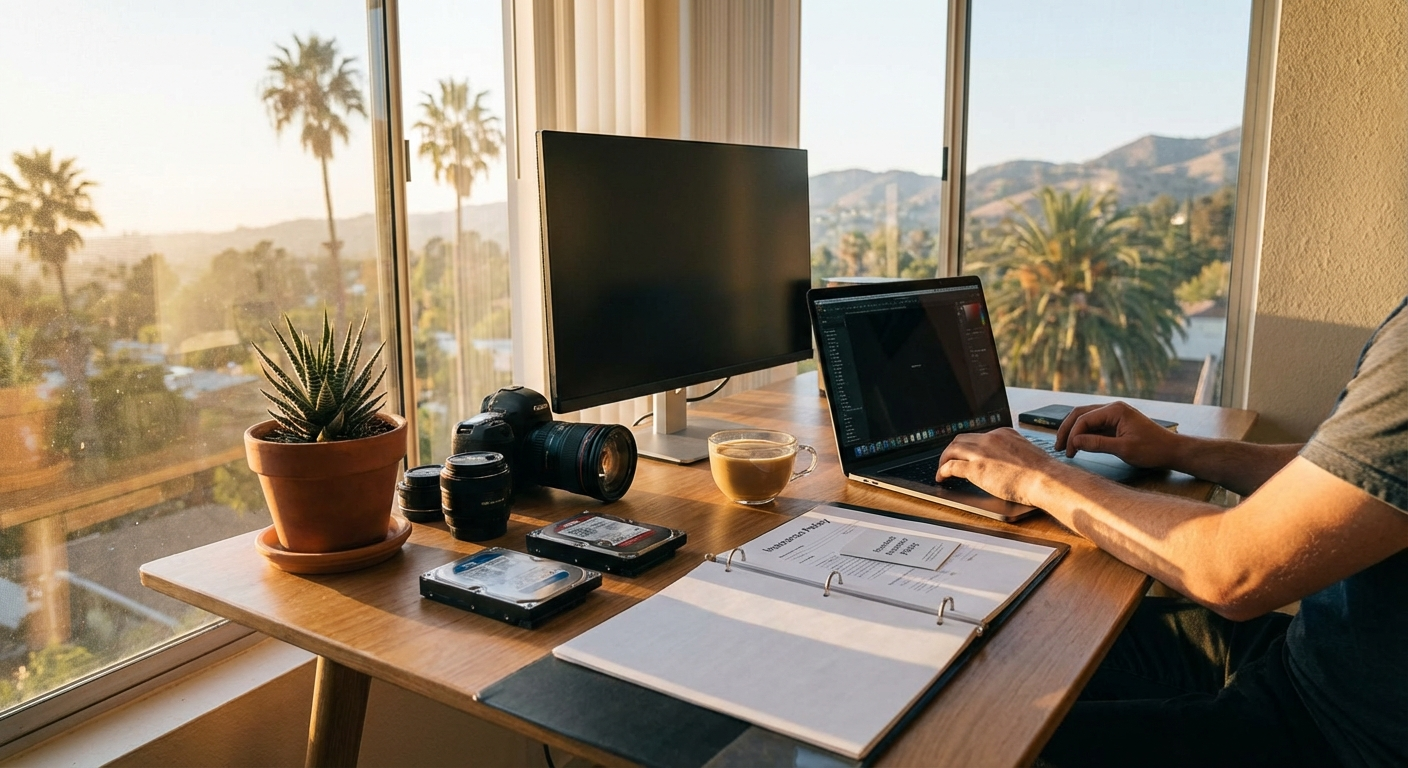
Honestly, one of the biggest mistakes people make isn’t just underinsuring; it’s not having an inventory. How do you prove what you lost if you don’t even remember everything you had? Take pictures or videos of your home office equipment. Keep receipts for big purchases. Store this information somewhere safe, like cloud storage, not just on the computer that might get stolen or damaged.
This isn’t just about making a claim easier; it’s about making sure you actually *get* what you’re owed. Insurers like State Farm, AAA, and Farmers all operate in California, and they’ll all ask for proof. A detailed inventory makes that process smoother and less stressful when you’re already dealing with a major disruption.
California’s Unique Landscape: What Else to Consider
Living in California means we face some specific risks. Wildfires, for instance, are a constant threat in many areas. While renters insurance covers fire, understanding your policy’s specifics is always wise. Earthquakes are another big one — and here’s a crucial point: standard renters insurance *does not* cover earthquake damage. You need a separate earthquake endorsement for that, and it usually comes with a higher deductible. If you’re in an area like the Bay Area or even parts of Los Angeles prone to seismic activity, it’s something worth exploring, especially if your expensive gear is easily damaged by a shake.
The insurance market in California has seen its share of ups and downs. Prop 103, passed back in 1988, gives the state insurance commissioner power over rates, but even with that, you’ve seen some carriers pull back or significantly raise premiums for homeowners, especially in fire-prone areas. Renters insurance hasn’t been hit quite as hard, but it’s still a dynamic market. That’s why comparing quotes and working with someone who understands the local nuances is key.
You might be thinking, “This sounds like a lot of work just for my home office stuff.” Maybe. But think about the cost of replacing your entire workstation out of pocket. For many remote workers or freelancers, that’s a five-figure expense. Is it worth risking your livelihood to save a few dollars a month on proper coverage? Probably not.
Getting the Right Advice
Understanding what your renters insurance covers – and, more importantly, what it *doesn’t* – can feel a bit overwhelming. The jargon alone can make your head spin. But you don’t have to figure it all out on your own.
That’s where a knowledgeable, local expert comes in. Someone like Karl Susman at California Renters Protection, CA License #OB75129, has years of experience helping Californians just like you sort through these complexities. They can help you understand your specific risks, evaluate your home office equipment, and find the right policy – or the right endorsement – to ensure you’re adequately protected. A quick call to (877) 411-5200 could save you a lot of grief down the line.
Don’t wait until something happens. Get a plan in place today.
Ready to see what proper protection for your California home office looks like? Get a renters insurance quote tailored to your needs.
Frequently Asked Questions About Renters Insurance and Home Office Equipment
Q: Does my renters insurance cover my company-issued laptop if I work remotely?
A: It depends. Some policies might treat it as personal property, but often, your employer’s business insurance is expected to cover company-owned equipment. It’s always best to check with your employer first and then discuss it with your insurance agent to avoid any gaps.
Q: What’s the difference between Actual Cash Value (ACV) and Replacement Cost Value (RCV) for my home office gear?
A: ACV pays you what your item was worth at the moment it was lost or damaged, accounting for depreciation. RCV pays you what it costs to buy a brand-new replacement for that item. For expensive electronics, RCV is almost always the better choice, even if it means a slightly higher premium.
Q: How much does it cost to add extra coverage for my home office equipment?
A: The cost varies widely based on the value of the equipment you’re scheduling, your location, and your insurer. Often, it’s a relatively small additional premium for a significant increase in coverage. It’s best to get a specific quote.
Q: What if I run a full-fledged business from my rented California home?
A: If your home office involves regular client visits, inventory storage, or significant income, a standard renters insurance policy with an endorsement might not be enough. You might need a separate Business Owner’s Policy (BOP) or commercial insurance. Talk to an agent to figure out what fits your unique situation.
Q: Do I need earthquake coverage for my home office equipment?
A: Standard renters insurance in California does not cover earthquake damage. If you want protection for your equipment from an earthquake, you’ll need to purchase a separate earthquake endorsement or policy. Given California’s seismic activity, it’s a smart consideration for valuable electronics.
Don’t let a mishap derail your work or your finances. Make sure your home office, and everything in it, is properly protected. Click here to get a personalized renters insurance quote today.
This article is for informational purposes only and does not constitute financial advice.