
When Your California Rental Becomes Unlivable: Understanding Additional Living Expenses
Imagine this: a pipe bursts in your apartment building in Santa Monica. Water pours through the ceiling. Suddenly, your living room is a soggy mess, and the landlord says it’ll be weeks, maybe months, before repairs are done. Or perhaps a wildfire sweeps through Ventura County, forcing evacuations, and your rental unit is now in an unsafe zone. Where do you go? Who pays for it?
Most renters in California know they need insurance for their personal belongings. That’s a given. But what many don’t realize is that one of the most valuable parts of a renters insurance policy isn’t about replacing your couch or your laptop. It’s about covering your life when your home is suddenly gone. We’re talking about Additional Living Expenses, or ALE.
What Exactly Are Additional Living Expenses?
Think of ALE as your financial safety net when a covered event — like a fire, a major water leak, or even a mandatory evacuation due to a natural disaster — makes your rental home uninhabitable. It pays for the extra costs you rack up because you can’t live in your usual place.
This isn’t just about a hotel room for a night or two. Sometimes, it’s weeks. Other times, it’s months. In California, with our unique mix of natural risks and housing challenges, being displaced can be a real headache. A good ALE policy helps smooth that over.
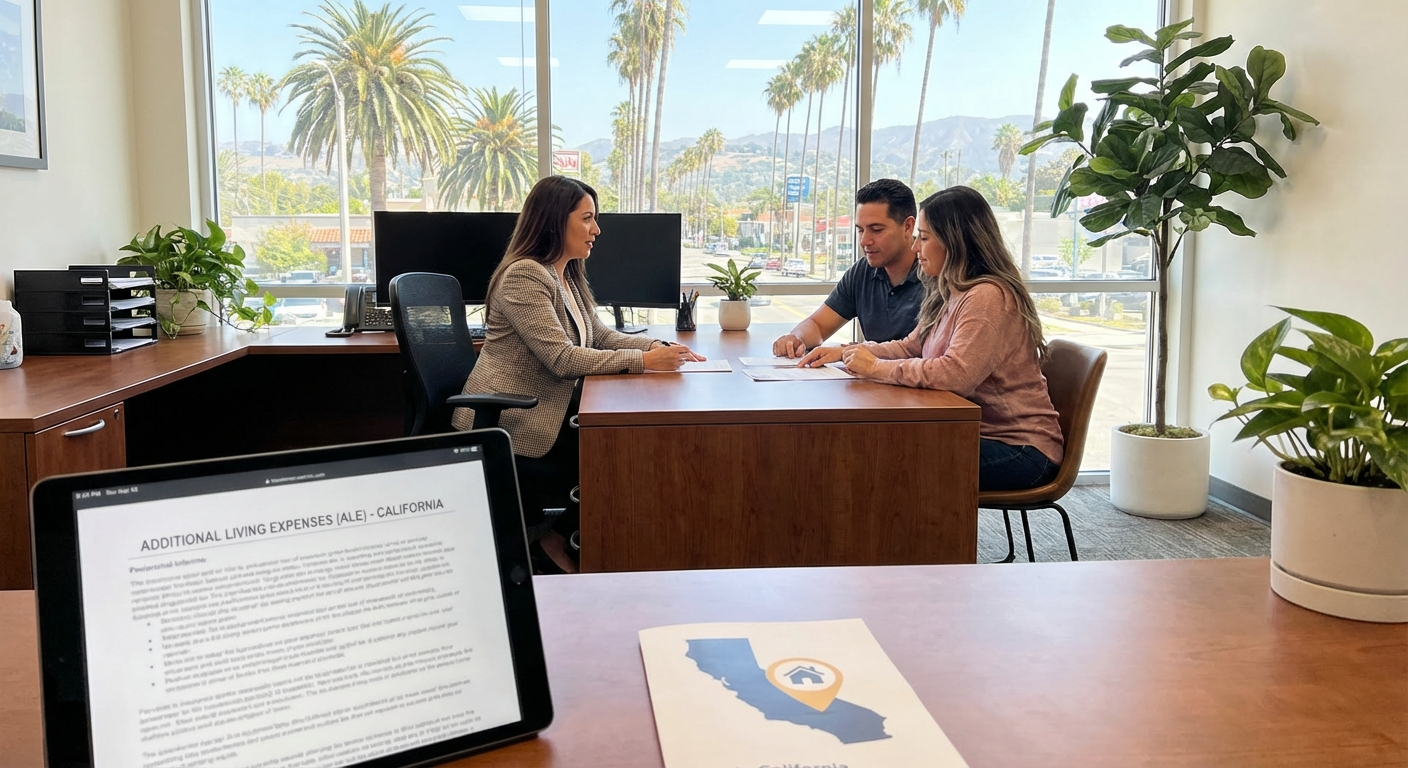
The California Reality: Why ALE Matters More Here
California is beautiful, no doubt. But it also comes with its share of risks. Wildfires, for instance, are a constant threat, especially during our long, dry summers. Areas like the Inland Empire, parts of the Valley, and the hills of Los Angeles are no strangers to mandatory evacuations. Mudslides follow heavy rains, often after a fire has stripped the land. Earthquakes, well, they’re always a possibility.
If any of these events damages your rental property enough to make it unsafe, or if authorities issue an evacuation order, your ALE coverage kicks in. It’s not just about direct damage. If your building is deemed unsafe by civil authority, even if your specific unit isn’t burned, ALE can still help.
What Does ALE Typically Cover?
The idea behind ALE is to put you back in a similar living situation without draining your bank account. It covers the *increase* in your living costs.
* **Temporary Housing:** This is the big one. A hotel room, a short-term rental, or even a longer-term apartment lease if your displacement lasts for months. If you’re paying $2,000 a month for your usual rent, and a temporary apartment costs $3,500, ALE covers the extra $1,500.
* **Food:** You can’t cook in your damaged kitchen. So, the extra cost of eating out, ordering takeout, or buying groceries for a temporary setup is covered. Again, it’s about the *difference* in cost. If you normally spend $500 a month on groceries and now you’re spending $800 on restaurant meals, ALE covers the $300 difference.
* **Laundry:** No washer/dryer at your temporary spot? ALE can cover the cost of using a laundromat or a laundry service.
* **Transportation:** Sometimes you have to drive further to work or school from your temporary home. The extra gas or public transit costs can be covered.
* **Pet Boarding:** Your furry friends need a place to stay too. If your temporary housing doesn’t allow pets, or if they’re safer boarded, ALE can help with those costs.
* **Storage:** If you need to move your undamaged belongings out of your rental while repairs are happening, the cost of a storage unit is often included.
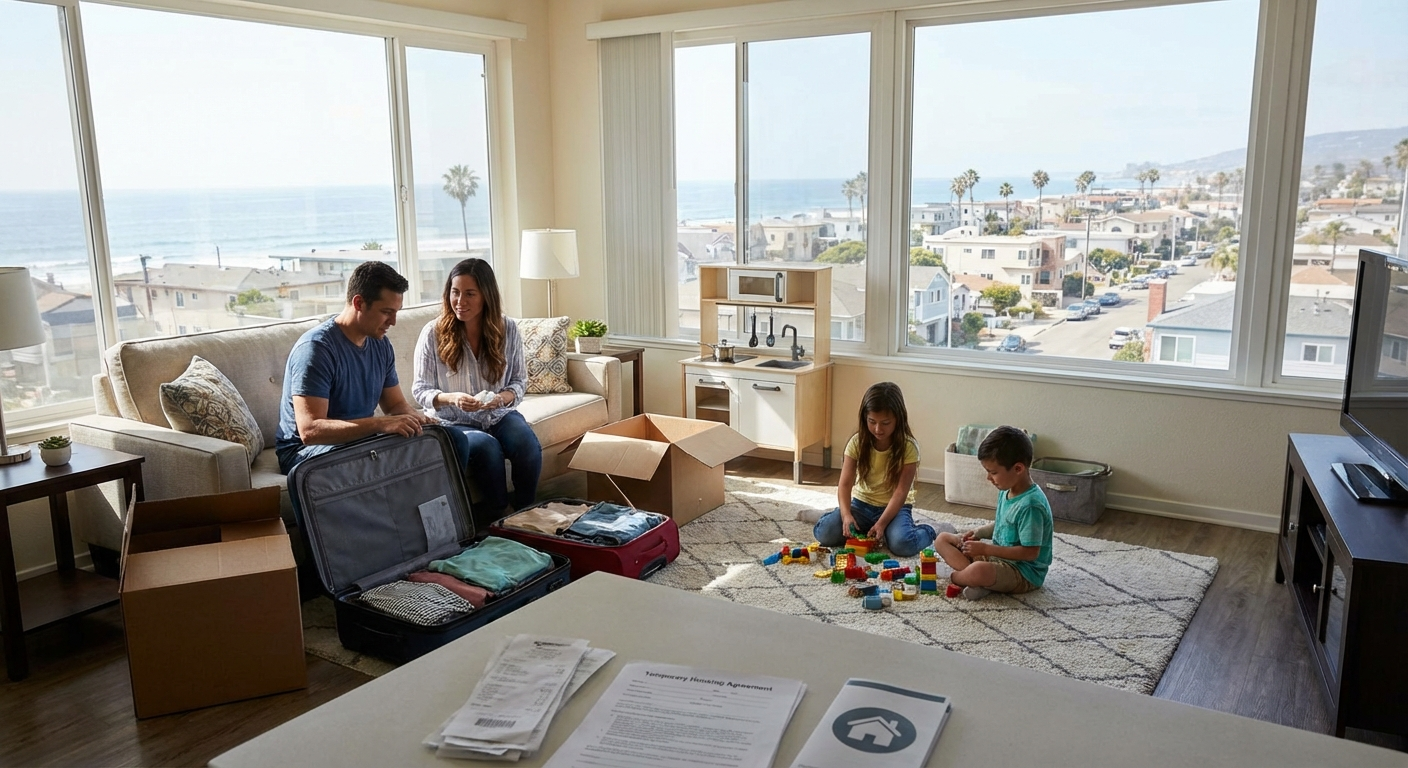
What ALE Doesn’t Cover (And Why It Matters)
Here’s where it gets interesting. ALE doesn’t pay your regular rent or mortgage. That’s a common misunderstanding. You’re still obligated to pay your landlord your usual rent, assuming your lease continues. What ALE covers is the *additional* expense on top of that. So, if your rent is $2,500, and your temporary housing costs $4,000, ALE covers the $1,500 difference. Your $2,500 rent payment still comes from your pocket.
It also doesn’t cover things like improvements to your temporary home, or non-essential purchases. It’s designed to maintain your standard of living, not upgrade it.
How Are ALE Limits Set?
Most renters insurance policies set a limit for ALE coverage. This might be a fixed dollar amount, say $10,000 or $20,000. Or, more commonly, it’s a percentage of your personal property coverage — often 20% or 30%. So, if you have $50,000 in personal property coverage, your ALE might be $10,000 or $15,000.
Some policies offer “Actual Loss Sustained” coverage for ALE. This means there’s no fixed dollar limit, but rather it covers your actual, reasonable expenses for a set period, like 12 or 24 months. This type of coverage is usually more expensive, but it offers far greater peace of mind, especially in a high-cost area like California where even a few weeks in a hotel can add up fast.
But wait — what about your deductible? Generally, your renters insurance deductible applies to your personal property claim, not your ALE claim. If your personal belongings are damaged, you’ll pay your deductible for that portion. The ALE coverage usually kicks in without a separate deductible.
The California Insurance Market: A Changing Landscape
Getting renters insurance in California has become a bit more complicated recently. Insurers like State Farm, AAA, and Farmers have all adjusted their offerings, sometimes pulling back from certain areas or raising premiums. The FAIR Plan, California’s insurer of last resort, has also seen changes. This means it’s more important than ever to work with someone who understands the local market.
Karl Susman, with California Renters Protection, CA License #OB75129, has been helping Californians with their insurance needs for years. He knows the ins and outs of policies and can help you find coverage that truly protects you, especially when it comes to those often-overlooked parts like ALE. You can reach his agency at (877) 411-5200.
Don’t Wait Until Disaster Strikes
The time to think about Additional Living Expenses isn’t when your landlord is telling you your apartment is condemned. It’s now. Review your current renters insurance policy. Do you know your ALE limit? Is it enough to cover you for several months in a temporary home if you needed it? In Los Angeles or Orange County, even a modest hotel room can cost hundreds of dollars a night. A month of that could easily exceed a low ALE limit.
Consider the cost of living in your area. If you live in a pricey spot like San Francisco or San Jose, your ALE needs are going to be much higher than someone in a less expensive part of the state.
If you’re unsure about your current coverage or want to explore options tailored to California’s unique challenges, it’s smart to talk to an expert. They can help you understand the fine print and make sure you’re properly protected.
Ready to see what adequate renters insurance with strong ALE coverage looks like for your California home? Get a personalized quote today and protect your peace of mind. Click here to get your free quote!
—
Frequently Asked Questions About Renters Insurance and ALE
Q: My landlord has insurance. Doesn’t that cover my living expenses if something happens to the building?
A: No, absolutely not. Your landlord’s insurance covers the building itself and their liability. It does not cover your personal belongings or your living expenses if you’re displaced. That’s why renters insurance is so important for you.
Q: What kind of events does ALE cover?
A: ALE usually covers displacement due to perils listed in your renters insurance policy, like fire, smoke, certain types of water damage (e.g., a burst pipe), theft, vandalism, and sometimes even a civil authority evacuation order. It generally does not cover earthquake or flood damage unless you have specific endorsements for those perils.
Q: How long will ALE pay for my temporary living expenses?
A: Most policies have a time limit, often 12 or 24 months, or until the dwelling is repaired or replaced, whichever comes first. There’s also usually a dollar limit, as discussed earlier. Make sure you understand both limits on your policy.
Q: Do I need to keep receipts for all my extra expenses?
A: Yes, definitely. Your insurance company will require documentation for all additional living expenses you claim. Keep detailed records of hotel stays, restaurant bills, extra transportation costs, and anything else you spend money on due to being displaced.
Q: What if I stay with a friend or family member? Can I still claim ALE?
A: If you stay with friends or family and incur no additional expenses, there’s generally nothing for ALE to cover. However, if you contribute financially to their household because of your stay, or if you still have extra costs like eating out more, those specific additional expenses might be covered. It’s best to discuss this directly with your insurance adjuster.
—
Don’t let an unexpected disaster turn your world upside down without a safety net. Protecting your belongings is smart, but protecting your ability to live comfortably when your home is unavailable? That’s essential. For a personalized look at your renters insurance options, including robust ALE coverage, reach out today. Start your free quote here.
This article is for informational purposes only and does not constitute financial advice.