
The Unexpected Vacation Nobody Wants
The smell hit Sarah Miller first. A sharp, acrid chemical burn, even before she saw the smoke curling from the kitchen doorway. One minute, she was scrolling through photos of their Ventura County rental home, planning weekend trips with the kids. The next, a frying pan left on high heat had declared war on their kitchen. Her husband, David, grabbed the extinguisher, but the damage was done. The fire department arrived, quickly doused the flames, and then delivered the news: “The house is uninhabitable for now.”
Suddenly, the Millers were homeless. Not in the street, thankfully, but their cozy rental – the place they’d poured their lives into – was a mess of smoke, water, and scorched appliances. Their immediate thought went to their kids, Leo and Chloe. Where would they sleep tonight? Where would they eat? And for how long?
This isn’t some far-fetched movie plot. For many California renters, especially with our wildfire seasons and aging infrastructure, a sudden displacement is a very real, very scary possibility. That’s where something called “loss of use” coverage kicks in. It’s often the unsung hero of a renters insurance policy, and honestly, most people don’t even know they have it until they desperately need it.
What “Loss of Use” Really Means for California Renters
Think of “loss of use” as your policy’s way of saying, “We’ll help you keep a roof over your head and food on your table when your actual roof and table are out of commission.” Insurers call it Additional Living Expenses, or ALE. It’s designed to cover the *extra* costs you rack up when you can’t live in your rental home because of a covered loss – like that kitchen fire the Millers experienced.
It’s not about making you rich. It’s about putting you back in a similar financial position to where you were before disaster struck. Meaning, if you normally spend $X on groceries and rent, and now you’re spending $Y on eating out and a hotel, ALE covers the difference. It bridges that gap.

Beyond the Hotel Bill: What ALE Actually Covers
Most people immediately think “hotel” when they hear loss of use. And yes, temporary housing is a big part of it. This could be a hotel room, a short-term Airbnb rental, or even another apartment if the damage is extensive and repair times stretch for months. But wait – there’s more.
The Millers, for instance, suddenly found themselves eating every meal out. Their fridge was ruined, the stove unusable. Their ALE coverage would help with those increased food costs. Maybe they normally spent $150 a week on groceries. Now, they’re spending $50 a day on restaurant meals. That $200 difference for the week? That’s what ALE aims to cover.
Which brings up something most people miss. What about laundry? If your washing machine is gone, you’re headed to the laundromat or paying for a service. Pet boarding? If your furry friend can’t stay in the temporary spot. Storage for your belongings while the repairs happen? All these little expenses add up fast. They’re all potential candidates for ALE coverage, because they’re *additional* costs directly related to your displacement.
Why California Makes ALE Even More Critical
Let’s be real: California isn’t a cheap place to live. Trying to find a last-minute hotel in, say, San Francisco or even the Inland Empire after a pipe burst can be eye-wateringly expensive. A week in a decent hotel could easily run you $1,500 to $2,000, sometimes more. And that’s before food, laundry, and everything else.
Wildfire season here is another stark reminder. When evacuation orders hit, like they did for so many in the Valley during the Woolsey Fire, people flee. Even if their home isn’t damaged, if an evacuation order makes it uninhabitable, ALE can often kick in. It’s about being *unable to use* your home.
But here’s the thing. Our rental markets are tight. Finding a temporary furnished apartment on short notice in places like Orange County or Santa Monica isn’t just pricey; it can be incredibly difficult. ALE gives you the financial breathing room to navigate that challenge without draining your savings account.
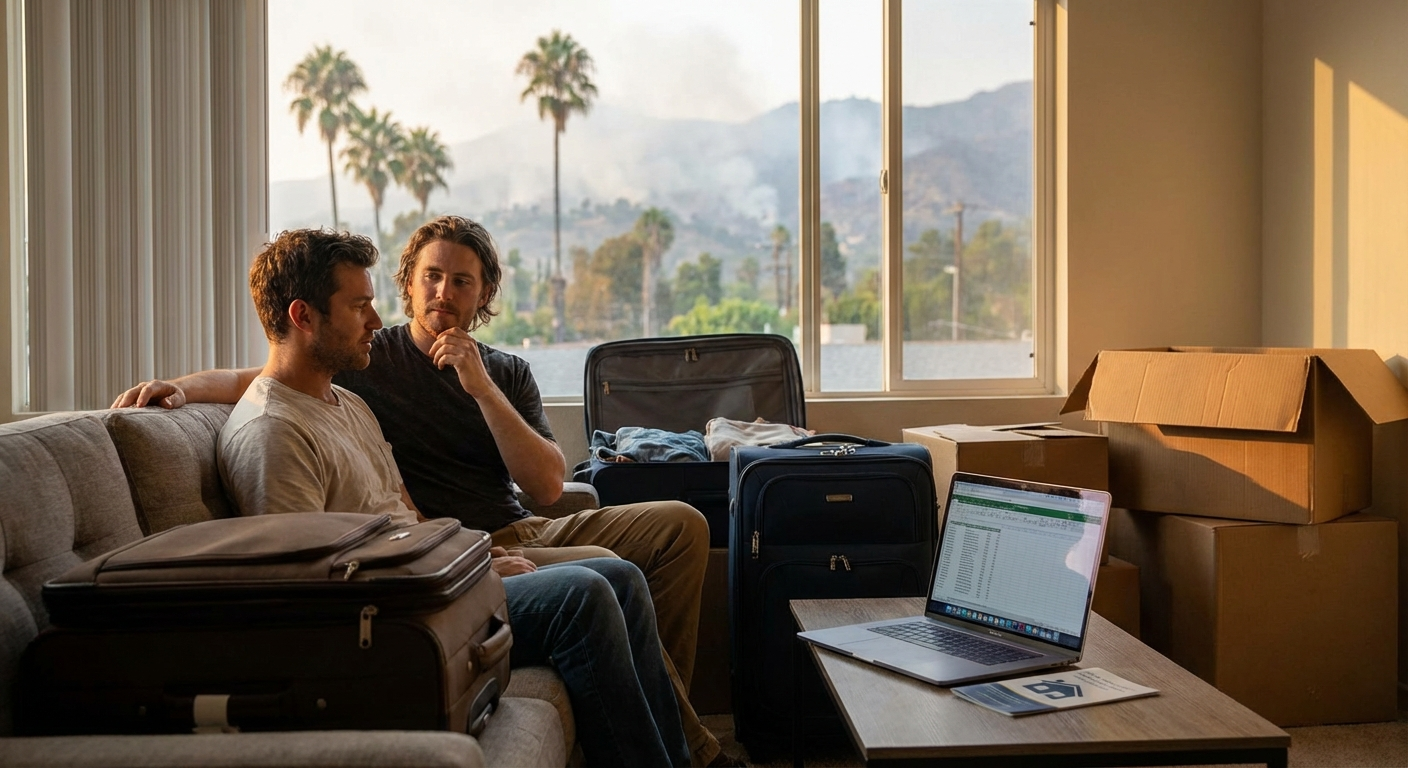
Your Renters Policy: More Than Just Replacing Your Stuff
Many renters buy insurance thinking only about their personal property. They picture replacing their TV, their clothes, their furniture. That’s certainly one vital part of it. Another is liability coverage – protecting you if someone gets hurt in your rental or you accidentally cause damage to the property.
But loss of use? That’s the third leg of the stool, and arguably the one that keeps your life from completely derailing. Without it, you might be able to replace your scorched sofa, but you’d be sleeping on a friend’s couch for months, eating ramen, and watching your bank account dwindle. It’s financial stability when your world gets shaken.
How Long Does ALE Last? It’s Not Forever.
This isn’t an open-ended blank check. Renters insurance policies typically have limits on ALE coverage. These can be a specific dollar amount – say, $10,000 or $20,000 – or a time limit, often 12 or 24 months. For the Millers, if their kitchen fire required a full gut and remodel, they might be out of their Ventura County home for three or four months. Knowing they had enough ALE coverage to cover that period, for hotels, temporary meals, and maybe a furnished corporate rental, would be a huge relief.
It’s important to understand these limits *before* you need them. What would it actually cost you to live somewhere else for six months in your area? That’s a good benchmark for what you should aim for in your policy.
Making a Loss of Use Claim: The Paperwork and the Patience
When disaster strikes, the first call (after 911, of course) should be to your insurance company. They’ll guide you through the process. For ALE, the key is documentation. You’ll need to keep meticulous records of *everything*.
Receipts for hotel stays. Itemized restaurant bills. Laundry service receipts. Pet boarding invoices. Even gas mileage if you’re suddenly driving much further for work or school because of your temporary living situation. Your adjuster will want to see all of it. They’re looking for the *additional* expenses, not your normal monthly bills.
It’s not always a fast process. Adjusters are busy, especially after widespread events like a major storm or a fire that affects many homes. But with good records and a clear understanding of your policy, you can make the process smoother.
Don’t Get Caught Off Guard: Planning for the Unthinkable
Honestly, most people put off buying renters insurance. They think, “I don’t own the building, so why do I need it?” Or, “My stuff isn’t worth that much.” But as Karl Susman, a seasoned agent at California Renters Protection, often says, “It’s not just about the stuff. It’s about your life. It’s the peace of mind you hope you never need, but are profoundly grateful for if you do.”
The cost of renters insurance, particularly in California, is often surprisingly affordable compared to homeowners policies. Yet, it provides this incredible safety net, especially with its loss of use coverage. It’s protection not just for your possessions, but for your routine, your comfort, and your financial stability when the unexpected happens. The Millers learned this the hard way. They were lucky; they had a policy with solid ALE. Their story could have been much, much tougher.
If you’re a renter in California, take a moment to consider what would happen if you couldn’t live in your home tomorrow. Where would you go? How would you pay for it? Don’t leave it to chance.
Ready to explore your options for protecting your California rental life? It takes just a few minutes to get a personalized quote.
Get Your Renters Insurance Quote Today!
Common Questions About Renters Insurance and Loss of Use
Does renters insurance always include loss of use?
Not always. Most standard renters policies in California do include some form of Additional Living Expenses (ALE) or loss of use coverage. However, the limits can vary wildly. It’s always best to check your specific policy or speak with an agent like Karl Susman at California Renters Protection (CA License #0B75129) to confirm what you have.
What if my landlord’s insurance covers the building? Do I still need loss of use?
Absolutely. Your landlord’s insurance covers the structure itself – the building, the roof, the walls. It does *not* cover your personal belongings, nor does it cover your costs of living elsewhere if the building becomes uninhabitable. That’s entirely on you, unless you have renters insurance with ALE.
Does loss of use cover natural disasters like earthquakes or floods?
It depends on your policy. Standard renters insurance policies generally *exclude* earthquake and flood damage. If your home becomes uninhabitable due to an earthquake or flood, your ALE coverage would likely not kick in unless you’ve purchased specific earthquake or flood endorsements for your renters policy. This is a common point of confusion in California.
Is there a deductible for loss of use?
Generally, no. ALE coverage typically doesn’t have a separate deductible. However, the underlying damage that made your home uninhabitable (e.g., fire damage to your kitchen) *would* be subject to your policy’s deductible for personal property or liability. Once that deductible is met, and the damage is covered, ALE can then begin.
What if I have roommates? How does loss of use work then?
If you and your roommates are all listed on the same renters insurance policy, the ALE coverage would usually apply to all named insureds. If you each have separate policies, then each policy’s ALE limits would apply to the individual named on that policy. It’s a good idea for all occupants to be clear on their coverage.
Don’t wait for a crisis to understand your renters insurance. Get the protection you need for your belongings and your peace of mind.
Start Your California Renters Insurance Quote Now!
***
*This article is for informational purposes only and does not constitute financial advice.*