
The Day the Quiet Ended: Why California Renters Need Theft Protection
Maya and Alex had poured their hearts into their new apartment in Santa Monica. Fresh paint, a quirky vintage rug from a shop on Abbot Kinney, and a smart TV that felt impossibly large in their cozy living room. Alex’s prized possession, a cherry-red Gibson ES-335 that he’d saved for years to buy, hung proudly on the wall. Maya’s grandmother’s pearl necklace, a family heirloom, sat in a small wooden box on her dresser. They loved their little slice of California sunshine.
One Tuesday morning, the sunshine felt a lot colder. They woke to an unsettling quiet. The front door, usually latched tight, was ajar. A cold draft snaked through the apartment. Panic set in fast. The smart TV was gone. Alex’s guitar, the one that made him beam every time he picked it up, wasn’t on the wall. Maya’s jewelry box lay open, empty. Their haven had been violated.
Like too many California renters, Maya and Alex had assumed their landlord’s insurance would cover their stuff. That’s a mistake people make all the time. Your landlord’s policy protects the *building* – the walls, the roof, the fixtures. It doesn’t cover your personal belongings. Not your laptop, not your bike, certainly not your vintage guitar or family pearls. For those, you need your own protection.
Understanding What’s Really at Stake
Renters insurance isn’t just some optional extra. For folks renting in California, especially with recent shifts in our state’s insurance market, it’s becoming a non-negotiable safeguard. We’re talking about covering the actual cost of replacing your stolen items. Imagine having to buy a new computer, a new watch, new clothes, all at once. That’s a hefty bill for most people.
Most renters policies come with two main types of personal property coverage: actual cash value (ACV) and replacement cost value (RCV). This is a big difference. With ACV, the insurer pays you what your stuff was worth *at the time it was stolen*, factoring in depreciation. That 5-year-old laptop? You’ll get a fraction of what you paid for it. Not much help when you need to buy a brand-new one.
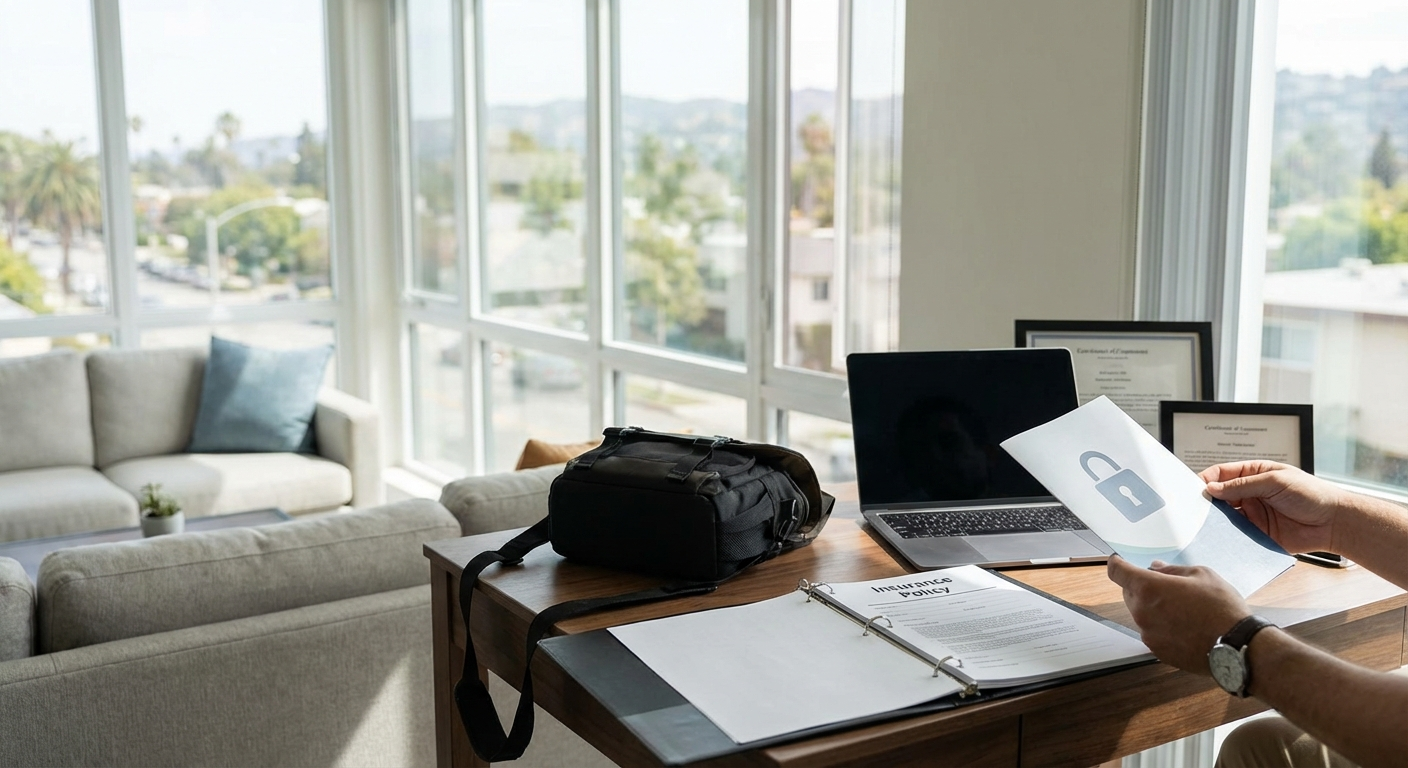
But here’s where it gets interesting. Replacement Cost Value coverage pays what it would cost to buy a brand-new version of your stolen item today. That’s the gold standard, the kind of coverage Maya and Alex desperately needed. It means you can actually replace that stolen smart TV with a new one, not just get a check for its garage sale value. Always, always opt for RCV if you can. It’s often just a small bump in your premium for a lot more peace of mind.
Theft Isn’t Always a Home Invasion
Many people think about theft as someone breaking into their apartment. And yes, that’s a major part of what renters insurance covers. But it’s not the whole story. Your personal property isn’t just protected inside your four walls. It travels with you.
Did someone snatch your purse while you were grabbing coffee in the Mission District? Was your laptop lifted from your car after you parked it near Fisherman’s Wharf? Did your bike get stolen from the rack outside your gym in Orange County? Renters insurance often extends to cover your personal belongings even when they’re not in your actual apartment. This is a huge benefit, especially for Californians who are always on the go, often with valuable tech or sports equipment in tow.
Which brings up something most people miss. Car break-ins are a real problem across California, from the bustling streets of Los Angeles to quieter suburban areas. People often assume their auto insurance covers items stolen from their car. It doesn’t. Your auto policy covers the *car itself* and things permanently attached to it, like the stereo system. Your renters insurance is what steps in to cover your backpack, your golf clubs, your camera gear, or that expensive pair of sunglasses that vanished from your locked vehicle.
California’s Unique Hurdles and What They Mean for You
Living in California comes with its quirks, and the insurance market is certainly one of them. We’ve seen major carriers like State Farm, Farmers, and Allstate make headlines recently for pulling back on certain policies or raising rates. This can make finding affordable coverage feel like a scavenger hunt.
Honestly, the state’s insurance landscape is a bit shaky right now. Factors like wildfires – even if you’re not in a high-risk zone, the overall state risk affects everyone – and the rising cost of rebuilding mean insurers are being more cautious. But it doesn’t mean coverage is impossible to find. It just means you might need to shop around a bit more. That’s why talking to an experienced agent, someone like Karl Susman at California Renters Protection, CA License #0B75129, can make all the difference. They know the market, they know the carriers still writing policies, and they can help you find options that fit your specific needs and budget. You can reach them at (877) 411-5200.
Beyond Theft: The Unseen Shield of Liability
While we’re talking about protecting your stuff from theft, it’s important to briefly touch on another big reason to have renters insurance: liability. Let’s say your dog, a sweet golden retriever, gets a little too excited and nips a visitor. Or maybe you accidentally leave the tub running and flood the apartment downstairs. These things happen.
Without renters insurance, you’d be personally responsible for those damages or medical bills. We’re talking potentially tens or hundreds of thousands of dollars. Renters insurance typically includes liability coverage that helps protect your assets from these kinds of lawsuits. It’s a layer of protection many people overlook, but it’s just as important as covering your stolen belongings.
Making a Claim: Your Best Friend is an Inventory
If the worst happens and your belongings are stolen, making a smooth claim makes a world of difference. Your best move before anything ever goes missing? Create a home inventory. This doesn’t have to be a chore.
Take photos or videos of your apartment and all your belongings. Open drawers, show brand names, capture serial numbers if you can. Keep receipts for big-ticket items. Store this information digitally – on a cloud service, an external hard drive, or even email it to yourself. That way, if your computer gets stolen, the inventory isn’t gone with it. This record will be invaluable when you’re filing a claim, helping you remember exactly what you had and proving its existence to your insurer. Maya and Alex wished they’d done this. It would have made their recovery process so much less stressful.
Finding the Right Fit for Your California Life
Choosing a renters insurance policy isn’t a “one-size-fits-all” deal. Your needs will depend on what you own, where you live – is it Ventura County, the Inland Empire, or a high-rise in downtown San Diego? – and what kind of budget you have.
Factors like the amount of coverage you choose, your deductible (how much you pay out-of-pocket before insurance kicks in), and even your credit history can influence your premium. Sometimes bundling your renters insurance with an auto policy can get you a discount. It’s always worth asking about those.
Don’t let the idea of shopping for insurance feel overwhelming. It doesn’t have to be. There are experts who can help you understand your options and find a policy that truly protects your belongings and your peace of mind.
If you’re ready to explore your options and get real protection for your California rental, start here. It’s simple, fast, and could save you a lot of heartache: https://californiarentersprotection.com/get-a-quote/
You’ve worked hard for your possessions. You’ve earned your comfortable California life. Protecting it from the unexpected is just smart planning. Don’t wait until that cold draft hits your living room.
Frequently Asked Questions About Renters Insurance in California
Does renters insurance cover theft from my car?
Yes, typically. While your auto insurance covers damage to your vehicle itself, your renters insurance policy usually extends to cover personal items stolen from your car, even when it’s parked away from your home.
What’s the difference between actual cash value (ACV) and replacement cost value (RCV) for theft claims?
ACV pays out the depreciated value of your stolen items, meaning you get less than what you paid for them. RCV pays what it costs to buy brand-new replacements for your stolen items, which is almost always the better option for truly replacing your belongings.
Is renters insurance required by law in California?
No, California law doesn’t mandate renters insurance. However, many landlords and property management companies do require it as a condition of your lease agreement. Even if not required, it’s a very smart move for your financial protection.
How much does renters insurance usually cost in California?
Premiums vary widely based on your location, the amount of coverage you choose, your deductible, and other factors. However, it’s generally one of the most affordable types of insurance, often costing less than your monthly streaming services.
If my apartment building has a security system, do I still need renters insurance?
Absolutely. A building security system might deter some criminals, but it’s not foolproof. Theft can still occur, and the system won’t replace your stolen items. Renters insurance provides the financial protection you need regardless of building security measures.
Protecting your belongings is a key part of securing your future. If you’re ready to get a personalized quote and understand what options are available for your California rental, don’t hesitate. Visit https://californiarentersprotection.com/get-a-quote/ to get started.
***
This article is for informational purposes only and does not constitute financial advice.
Ready for Your Free Quote?
No obligation. Takes 2 minutes. Speak with Karl Susman and the team at California Renters Protection.