
Does Your California Renters Policy Really Protect Your Bling?
You’ve got that stunning engagement ring, maybe a family heirloom watch passed down through generations. It’s safe, right? Tucked away in your apartment in, say, Santa Monica or a rental home in Ventura County. Most renters assume their insurance policy has their back, no questions asked, should anything happen to those precious items.
The short answer is yes, your renters insurance *does* cover jewelry. The real answer, though, is a lot more complicated than most folks realize, especially here in California. It’s not just about having coverage; it’s about understanding the limits, the fine print, and what steps you need to take to truly protect those pieces that mean the most to you.
Myth: My Renters Insurance Covers My Jewelry for Its Full Value.
This is probably the biggest misconception out there. It’s a common trap many Californians fall into. You might have a renters policy with, say, $30,000 in personal property coverage. You figure if your engagement ring is worth $10,000, you’re golden. Not quite.
Most standard renters insurance policies include what’s called a “special limit of liability” for certain categories of property. Jewelry is almost always one of them. What does that mean? It means that while your policy might cover you for theft or damage up to your overall personal property limit, it will only pay out a much smaller amount for jewelry losses.
Think of it this way: your policy might pay $1,500 for a stolen necklace, even if the necklace was worth $5,000. Or maybe $2,500. It depends entirely on your specific policy’s language. This isn’t some hidden trick; it’s standard industry practice, from State Farm to AAA to Farmers. They’re trying to keep basic renters insurance affordable for everyone. But it leaves many people underinsured for their most valuable possessions.
But Wait — What About “Mysterious Disappearance”?
This is where things get even trickier. Imagine you’re at the beach in Malibu, or maybe hiking a trail in the Sierra Nevadas. You get home, and your favorite pendant is gone. You didn’t lose it to a break-in; you just… lost it. This is “mysterious disappearance.”
Standard renters policies often *don’t* cover mysterious disappearance for jewelry. They cover named perils: fire, theft, vandalism, things like that. If your policy has a $1,500 limit for jewelry theft, that’s only for *theft*. If you simply misplace a valuable piece, you’re usually out of luck. That’s a bitter pill to swallow for many.
How Do I Actually Protect My High-Value Jewelry?
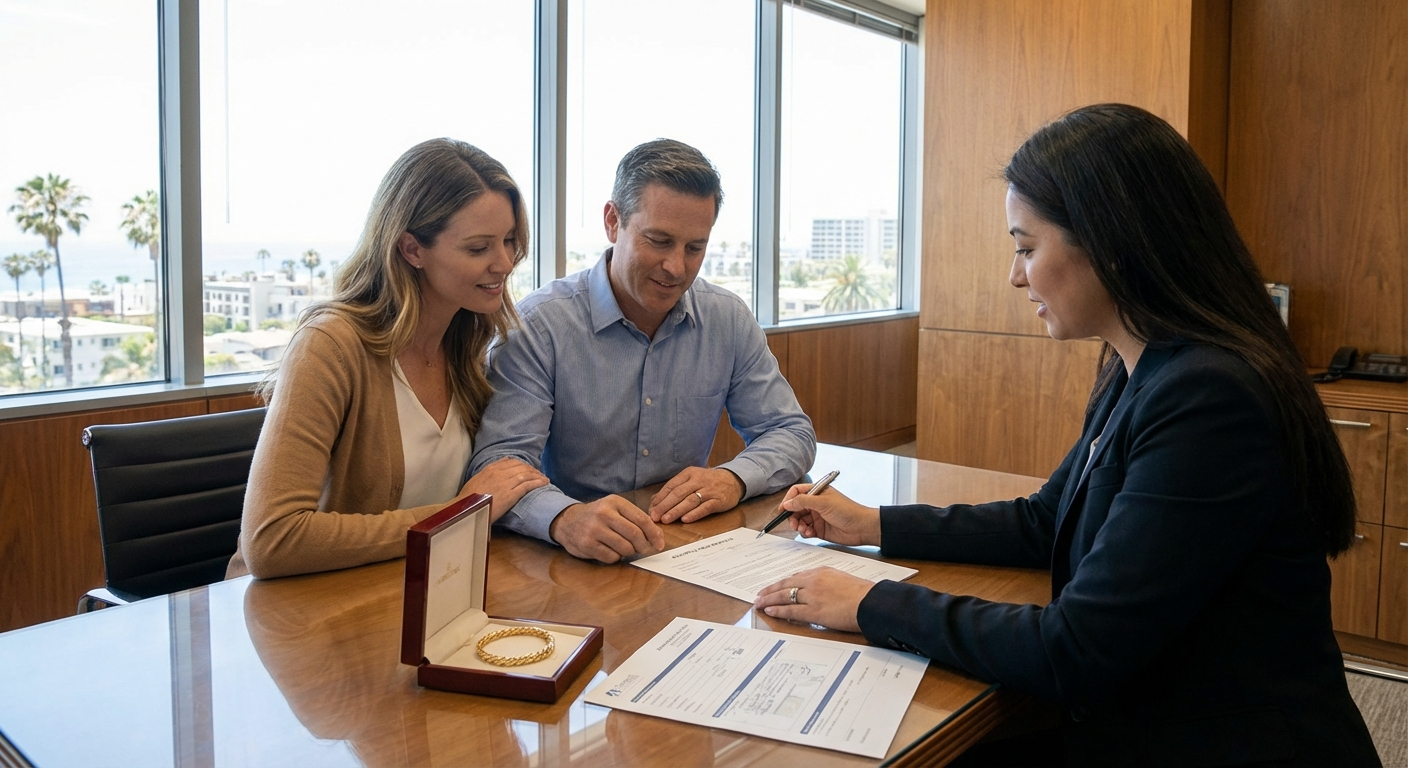
This is where you need to get proactive. If you have jewelry that’s worth more than your policy’s special limit – and let’s be honest, most engagement rings, high-end watches, or significant heirlooms easily exceed that $1,500 or $2,500 mark – you’ll want to “schedule” those items.
Scheduling personal property is essentially adding a separate, specific line item to your policy for that particular piece of jewelry. It’s sometimes called an “endorsement” or a “personal articles floater.” When you schedule an item, you’re typically insuring it for an agreed-upon value, and it often comes with broader coverage. This can include perils like mysterious disappearance, accidental damage, or even dropping it down the drain.
Here’s where it gets interesting. To schedule jewelry, your insurer will almost always ask for a recent appraisal. Not just any appraisal, either; they’ll want one from a reputable jeweler, usually within the last year or two. This proves the item’s value and ensures everyone is on the same page about what’s being insured. Don’t skip this step. A dated appraisal, or no appraisal at all, could mean your claim gets denied or paid out for far less than you expect.
Is Scheduling Jewelry Expensive?
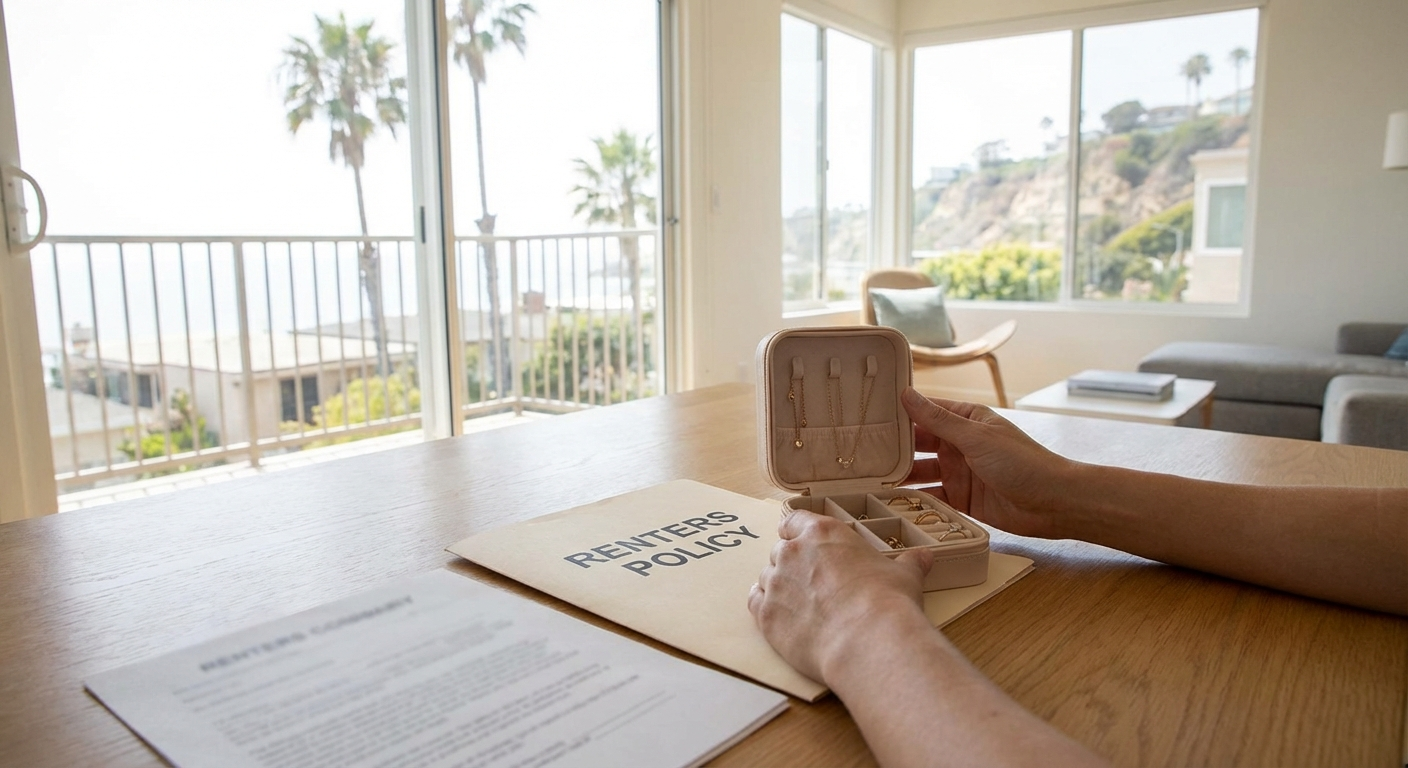
Honestly, it’s often less than you think, especially when you weigh it against the potential loss. The cost of scheduling an item depends on its value and the specific risks involved. For a $10,000 ring, you might pay an extra $100-$200 a year, give or take. It’s a small price for peace of mind.
Which brings up something most people miss. When you schedule an item, it usually has its own deductible, or sometimes no deductible at all, depending on the policy. This is different from your main renters policy deductible. So, if your general renters deductible is $1,000 but your scheduled ring has no deductible, you’d get the full agreed-upon value (minus any specific policy deductibles for *that* item) if it’s lost or damaged. Big difference.
What About Natural Disasters in California?
Ah, California. We’ve got our own unique set of challenges. Wildfires, for example. If a fire rips through your rental home in the Hollywood Hills or a condo in downtown San Diego, your renters policy would typically cover your jewelry up to its limits, including any scheduled items. That’s good news.
But what about earthquakes? Or floods? Standard renters insurance, even with scheduled jewelry, generally *doesn’t* cover earthquake or flood damage. Those require separate policies. If you live in an area prone to seismic activity or near a flood zone, you’ll need to consider adding those protections if you want your jewelry – and everything else – covered from those specific perils. Karl Susman from California Renters Protection, CA License #0B75129, can tell you that understanding these specific California risks is a huge part of being properly insured. You can reach his agency at (877) 411-5200.
The Rise of Insurer Pickiness and What It Means for You
Lately, insurers in California have become, shall we say, a bit more discerning. With the rising costs of claims – from the catastrophic wildfires we’ve seen in places like Paradise and likely future challenges like the expected 2025 LA fires – some carriers are pulling back or getting stricter. Prop 103, while designed to protect consumers, has also created a complex regulatory environment that impacts how insurers operate here.
What does this mean for your jewelry coverage? It means getting an appraisal is more important than ever. It means shopping around. Some insurers might be more willing to schedule high-value items than others, especially in areas deemed higher risk. Don’t assume your current insurer is automatically the best fit for your jewelry needs.
It also means that if you’re in a high-risk area, like parts of the Inland Empire or the Valley that have seen increased fire activity, you might find fewer options for certain types of coverage. That’s not the whole story, though. Even with these challenges, there are still excellent options available. It just takes a little more effort and the right guidance to find them.
If you’re wondering about your current policy’s limits, or if you’ve recently acquired a new piece of jewelry and need to get it protected, don’t wait. A quick call or an online quote can make all the difference.
Get a personalized quote for California renters insurance today at californiarentersprotection.com/quote/.
FAQ: Your Jewelry & Renters Insurance
Q: My jewelry is always locked in a safe. Do I still need to schedule it?
A: Yes, absolutely. While a safe adds a layer of protection against theft, it doesn’t protect against other perils like fire, water damage, or even accidental loss. Plus, some sophisticated thieves can take safes. Scheduling ensures coverage for a broader range of incidents, even if the item is securely stored.
Q: What if I have multiple pieces of valuable jewelry? Do I need an appraisal for each?
A: Generally, yes. Each piece you want to schedule individually will require its own appraisal. This is because each item has a unique value. If you have a collection, some insurers might offer a blanket coverage option for a certain total value, but individual appraisals are usually needed for the highest level of protection on specific items.
Q: My policy says “replacement cost” coverage for personal property. Does that apply to my jewelry?
A: Replacement cost coverage means if an item is damaged or stolen, the insurer will pay to replace it with a new item of similar kind and quality, without deducting for depreciation. While your general personal property might have this, jewelry often falls under its special limits first. For scheduled jewelry, you’re typically insuring it for an “agreed value,” which is similar to replacement cost but is a specific amount you and the insurer agree on upfront based on the appraisal.
Q: Can I schedule a piece of jewelry that isn’t brand new?
A: Yes, absolutely. Many valuable pieces are heirlooms or vintage items. As long as you can get a current, reputable appraisal for its market value, you can schedule it. The age of the item isn’t the issue; its verifiable value is.
Q: What happens if the value of my scheduled jewelry changes over time?
A: Good question. Jewelry values can fluctuate, especially for unique or antique pieces. It’s a good idea to get your scheduled items re-appraised every few years, say every 3-5 years. Then, contact your insurance agent, like Karl Susman at California Renters Protection, to update the scheduled value on your policy. This ensures you’re always covered for its current worth.
Protecting your treasured possessions is more than just buying a policy; it’s about understanding what that policy actually does for you. Don’t leave your most cherished items to chance.
Get a personalized quote for California renters insurance today at californiarentersprotection.com/quote/.
This article is for informational purposes only and does not constitute financial advice.