
Why Fire is Different in California (and Why That Matters for Renters)
Living in California, you get sunshine, beaches, and maybe even a mountain view. That’s the dream, right? But here’s the thing: with all that beauty comes a very real, very present danger – fire. Not just any fire. Wildfires. House fires. Apartment fires. The kind that can turn your whole world upside down in a flash.
Maybe you rent an apartment in the Inland Empire. Or a cozy bungalow in Ventura County. You’ve got your stuff, your memories, your life packed into those walls. For most renters, the biggest worry is usually a leaky pipe or a noisy neighbor. But a fire? That’s a whole different beast. It doesn’t just damage property; it displaces lives. It forces you to think about what happens next, where you’ll sleep tonight, and how you’ll replace everything you own.
Think about the sheer scale of some recent events. Fires ripping through Malibu Canyon, threatening homes from the foothills right down to the coast. Or the devastating blazes that have swept through communities near Sacramento and in the Wine Country. These aren’t isolated incidents. They’re a recurring part of California life, and they’ve changed how everyone – especially insurance companies – looks at risk here.
Many folks assume their landlord’s insurance policy will take care of everything if a fire breaks out. Not so. That’s a common, and frankly, dangerous misunderstanding. Your landlord’s policy protects *their* building. It covers the walls, the roof, the fixed appliances. It doesn’t cover your grandmother’s antique dresser, your expensive new laptop, or even your toothbrush. That’s on you. And that’s where renters insurance steps in, especially when fire is involved.
What Renters Insurance Actually Covers When Fire Strikes
So, what does this renters insurance actually do for you? It’s more than just a piece of paper. It’s a safety net, designed to catch you if a fire – or a host of other unwelcome events – hits your rental home.
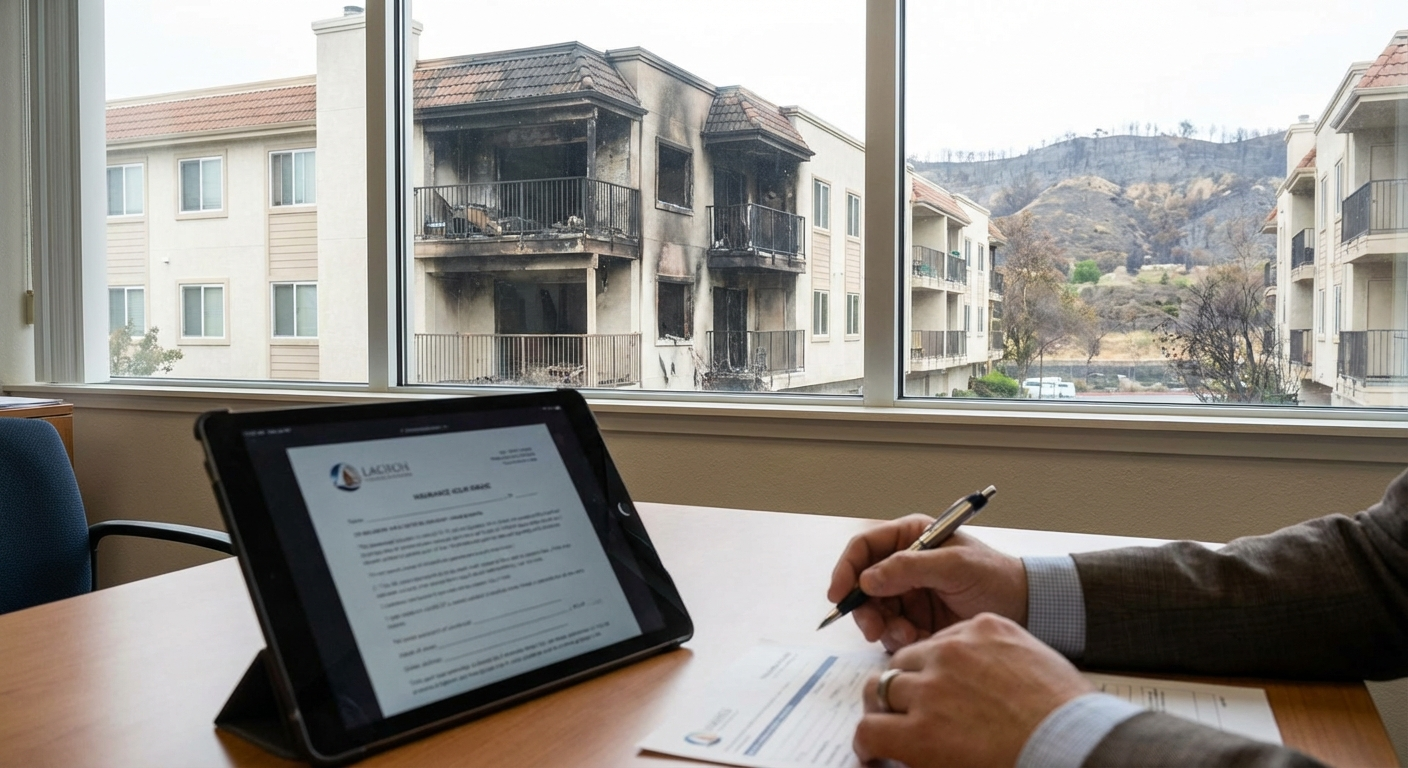
Your Stuff (Personal Property)
This is often the first thing people think about when they consider fire damage. All your belongings, from your clothes to your kitchen gadgets, your furniture to your favorite books. If a fire rips through your apartment in the Valley, reducing everything to ash and smoke, your renters insurance policy is there to help you replace it.
But here’s the kicker: most policies offer two ways to value your stuff. One is Actual Cash Value (ACV). This means they pay you what your item was worth at the moment it was destroyed, factoring in depreciation. So, that five-year-old couch? You’d get less than you paid for it. The other option is Replacement Cost Value (RCV). This is generally a better bet. It pays you what it would cost to buy a brand-new version of that item today. It costs a little more in premiums, sure. But if you’re staring at a pile of soot where your living room used to be, getting enough to replace things new makes a world of difference.
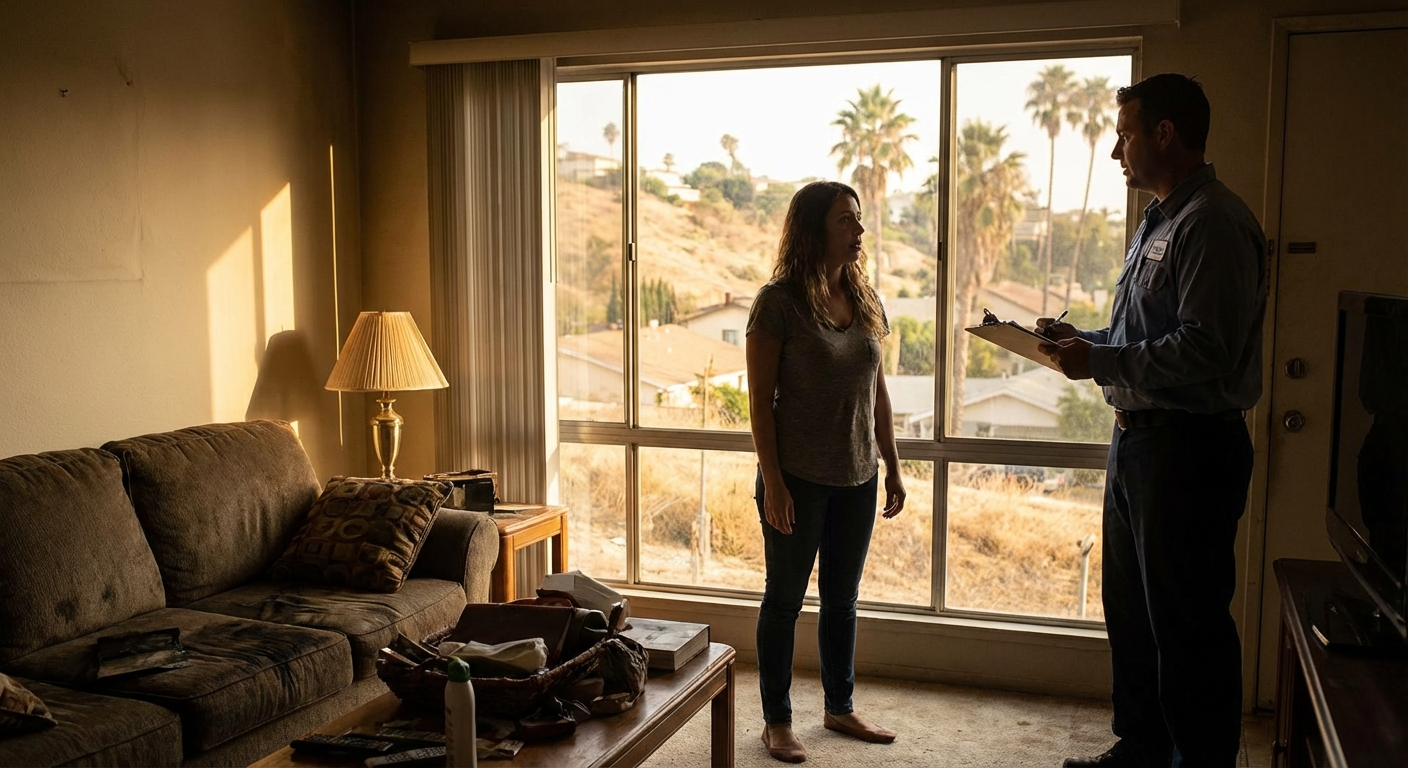
Temporary Living (Loss of Use)
Imagine your apartment building catches fire. Maybe it’s not even *your* apartment that burns, but the unit next door, and the whole building is red-tagged, deemed unsafe to live in for weeks or months. Where do you go? Where do you sleep? How do you eat?
This is where the “loss of use” or “additional living expenses” part of your renters policy kicks in. It covers the cost of a hotel or temporary rental. It can help with extra food expenses because you can’t cook in your own kitchen. It might even cover laundry costs. Basically, it helps maintain your normal standard of living as much as possible while your home is uninhabitable. This isn’t just a nicety; it’s a necessity. Especially in a tight housing market like California’s, finding a place to stay on short notice can be incredibly expensive.
Accidents You’re Responsible For (Liability)
This part of the policy is often overlooked, but it’s incredibly important. What if *you* accidentally start a fire? Maybe you left a candle burning, or a cooking mishap got out of hand. If that fire spreads and causes damage to your neighbor’s unit, or even the entire building, you could be held financially responsible.
That’s a terrifying thought. The liability coverage in your renters insurance would help pay for those damages. It also covers medical bills if someone gets hurt in an accident on your property – like a guest tripping and falling. This protection is huge. Imagine the legal fees and repair costs if you were sued. Renters liability coverage acts as a shield, protecting your savings and future earnings from potentially devastating claims.
The “What Ifs” – Common Fire Scenarios for Renters
Fires don’t always start the same way. Sometimes they’re an act of nature. Sometimes they’re an accident. Sometimes, sadly, they’re the result of someone else’s mistake. Renters insurance generally has your back in most of these “what if” scenarios.
Let’s say a wildfire, like the ones we’ve seen creep into neighborhoods in Santa Rosa, forces an evacuation and then damages your building. Your renters policy would cover your personal property and additional living expenses.
What if a faulty electrical wire in your building’s common area sparks a fire? That’s likely your landlord’s responsibility for the building structure. But your personal belongings? That’s still your renters insurance.
Here’s where it gets interesting. What if your upstairs neighbor leaves a stove on, and the fire damages your unit? Their liability insurance might step in to cover your losses if they’re found negligent. But getting that money can take time, sometimes a lot of it. Your renters insurance, however, would pay out relatively quickly, allowing you to replace your things and find new housing. Then, your insurance company might go after your neighbor’s insurer to get reimbursed. This is called “subrogation,” and it means you don’t have to wait around for other people’s policies to sort themselves out.
But wait — what if the fire started because of something *you* did? Maybe you fell asleep with a cigarette. Or a space heater got too close to curtains. Your renters insurance would still cover your personal property and your additional living expenses. And if the fire damaged other units or the building, your liability coverage would kick in to help cover those costs. It’s a broad blanket of protection.
Why Some Insurers Are Pulling Back (and What That Means for You)
This is where California’s unique situation really shows itself. Honestly, finding insurance in California, especially for fire-prone areas, has gotten tougher. Insurers like State Farm, AAA, and Farmers have made headlines recently for pulling back from writing new policies or significantly reducing their exposure in the state. Why? Wildfires. The sheer scale and frequency of them have made the risk calculations incredibly difficult and expensive.
The costs of rebuilding after a wildfire have skyrocketed. Labor is expensive. Materials are expensive. And the sheer number of claims has put a strain on insurance companies. Regulators, under Proposition 103, have rules about how much insurers can raise rates. This creates friction. Insurers say they can’t charge enough to cover their risks, so they reduce their presence.
What does this mean for you, the renter? It means you might not have as many options as you once did. It might mean slightly higher premiums. It also means you might need to look beyond the big-name insurers and work with someone who knows the California market inside and out.
The California FAIR Plan is often mentioned in these conversations. It’s an “insurer of last resort” for properties that can’t get coverage on the regular market. For homeowners, it’s a big deal. For renters, it’s less common to use the FAIR Plan directly for personal property coverage, as many standard renters policies still offer coverage, even if the options are fewer. However, the overall market instability impacts everyone. If insurers are wary of insuring buildings, they might also be wary of insuring the tenants within them in high-risk areas. It’s all connected.
Getting the Right Protection in a Tricky Market
So, how do you make sure you’re properly protected? It starts with being honest about what you own. Go through your apartment. Take pictures. Make a list. You might be surprised by how much your stuff is worth. Don’t underestimate it. Many people think they don’t own much, but try replacing all your clothes, electronics, and furniture from scratch. It adds up fast.
Then, find someone who can help you make sense of it all. This isn’t a “set it and forget it” kind of purchase, especially in California. You need an independent insurance agent – someone who works with multiple insurance companies, not just one. They can shop around for you. They understand the nuances of the California market, the shifts happening with different carriers, and the specific risks in your area.
Karl Susman, from California Renters Protection, is one of those people. With CA License #OB75129, Karl and his team have seen it all in California. They understand the unique challenges renters face here, especially when it comes to fire. They can help you figure out how much coverage you truly need and find a policy that fits your budget and your peace of mind.
Don’t wait until the smoke clears to realize you needed this. Getting renters insurance is usually far more affordable than people imagine. A few dollars a month can save you tens of thousands – or even hundreds of thousands – of dollars and a mountain of stress if a fire ever strikes.
Ready to see how affordable protecting your peace of mind can be?
Click here to get a free renters insurance quote today.
It’s a small step that makes a huge difference. Don’t leave your belongings and your future to chance.
Frequently Asked Questions About Renters Insurance and Fire Damage
Does my landlord’s insurance cover my belongings if there’s a fire?
Absolutely not. Your landlord’s policy covers the building itself – the structure, walls, roof, and maybe fixed appliances. It does not cover anything you own inside your rental unit. That’s why renters insurance is so important.
What if a fire starts in a different apartment in my building? Am I still covered?
Yes, generally. If a fire starts in a neighbor’s unit or a common area and causes damage to your apartment, your renters insurance would still cover your personal property and any additional living expenses if you have to move out temporarily. Your insurance company might then pursue the negligent party’s insurance for reimbursement.
Is renters insurance expensive in California because of all the fires?
While insurance costs have generally climbed in California due to various factors, including increased fire risk, renters insurance remains one of the most affordable types of insurance. The exact cost depends on your location, the amount of coverage you choose, and other factors, but it’s typically a small monthly premium compared to the protection it offers.
Does renters insurance cover wildfire damage?
Yes. Standard renters insurance policies typically cover damage from fire, including wildfires. This means your personal belongings would be covered, and if you’re displaced from your home, your additional living expenses coverage would kick in.
How much renters insurance do I need for fire damage?
That depends entirely on the value of your possessions and your comfort level with potential out-of-pocket costs. A good rule of thumb is to calculate what it would cost to replace everything you own from scratch. Also, consider how much you’d need for temporary housing if you were displaced for several months. An agent like Karl Susman at California Renters Protection (CA License #OB75129) can help you assess your needs and find the right coverage limits.
Don’t let uncertainty be your plan. Take control of your financial security.
Get your personalized renters insurance quote now.
This article is for informational purposes only and does not constitute financial advice.